A Renaissance Mindset for the Modern World
Written By Alexis Jewel Marchand
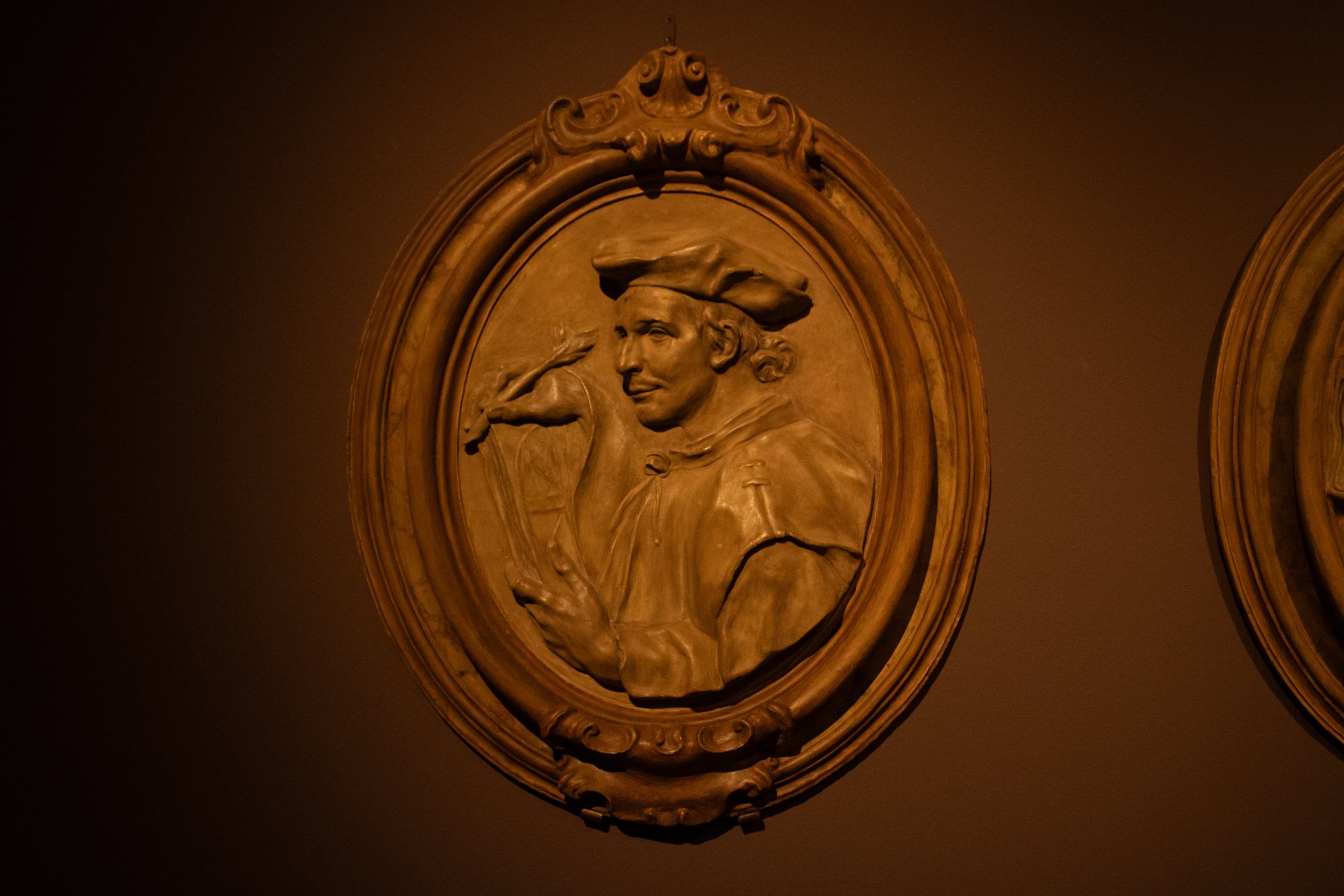
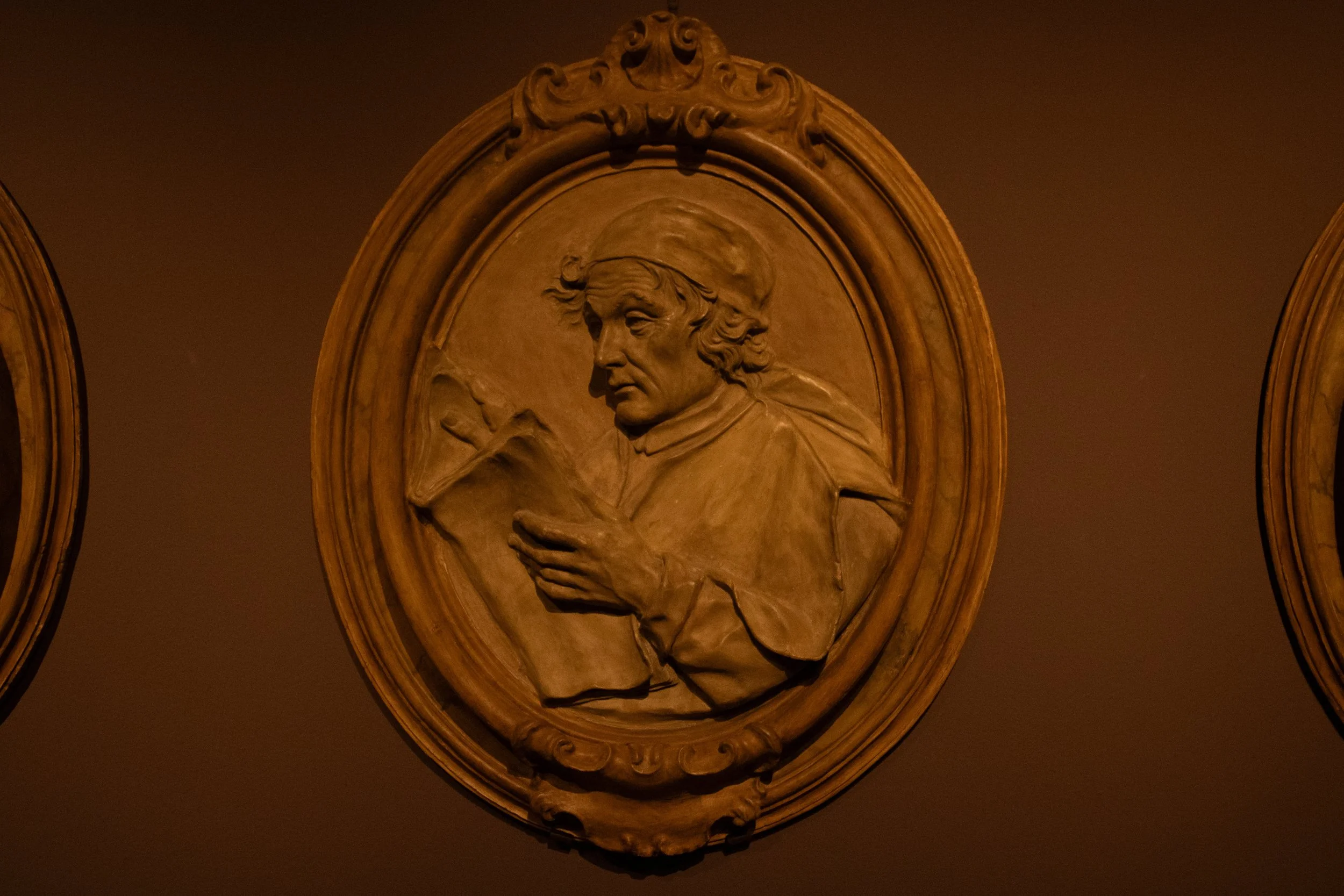
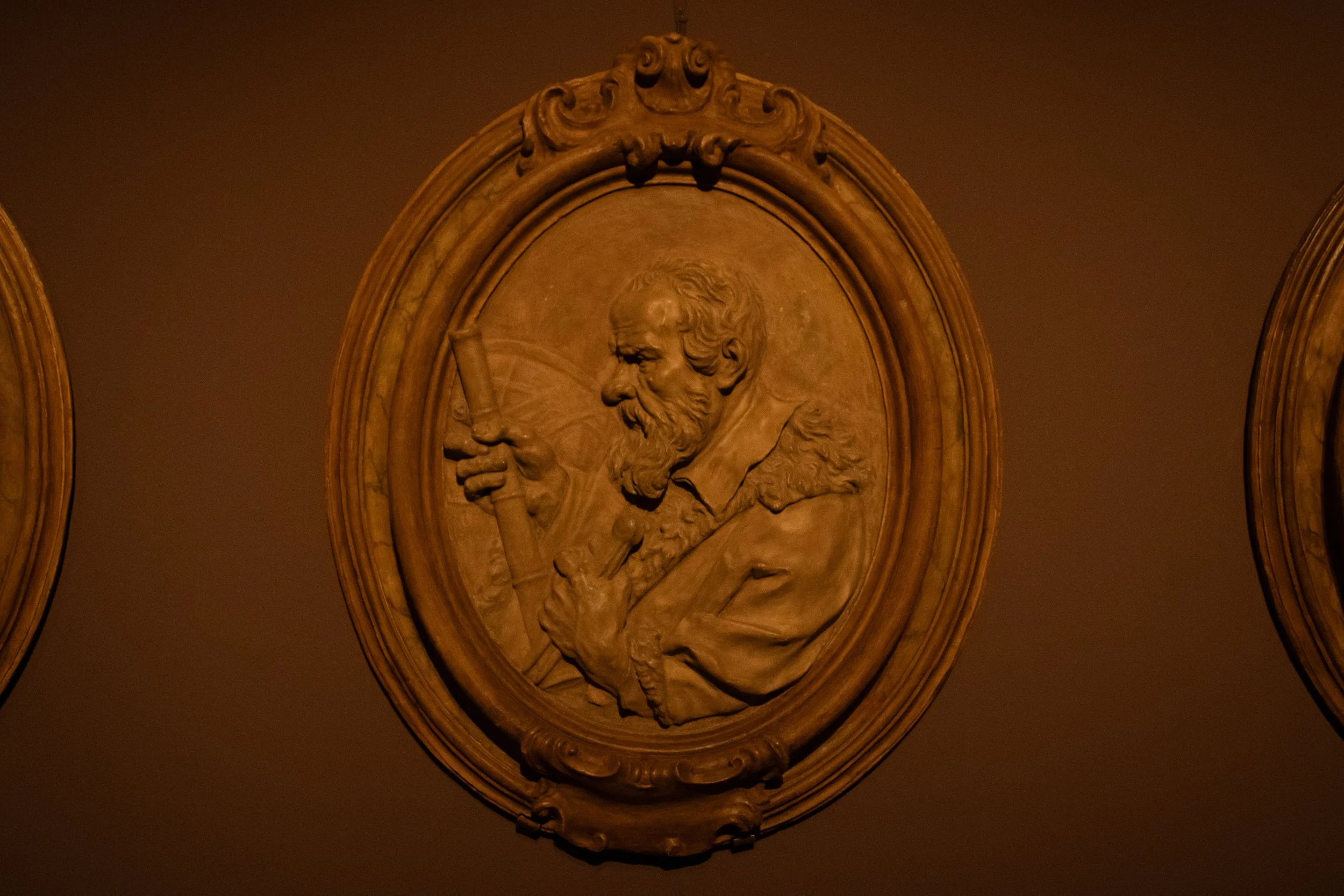
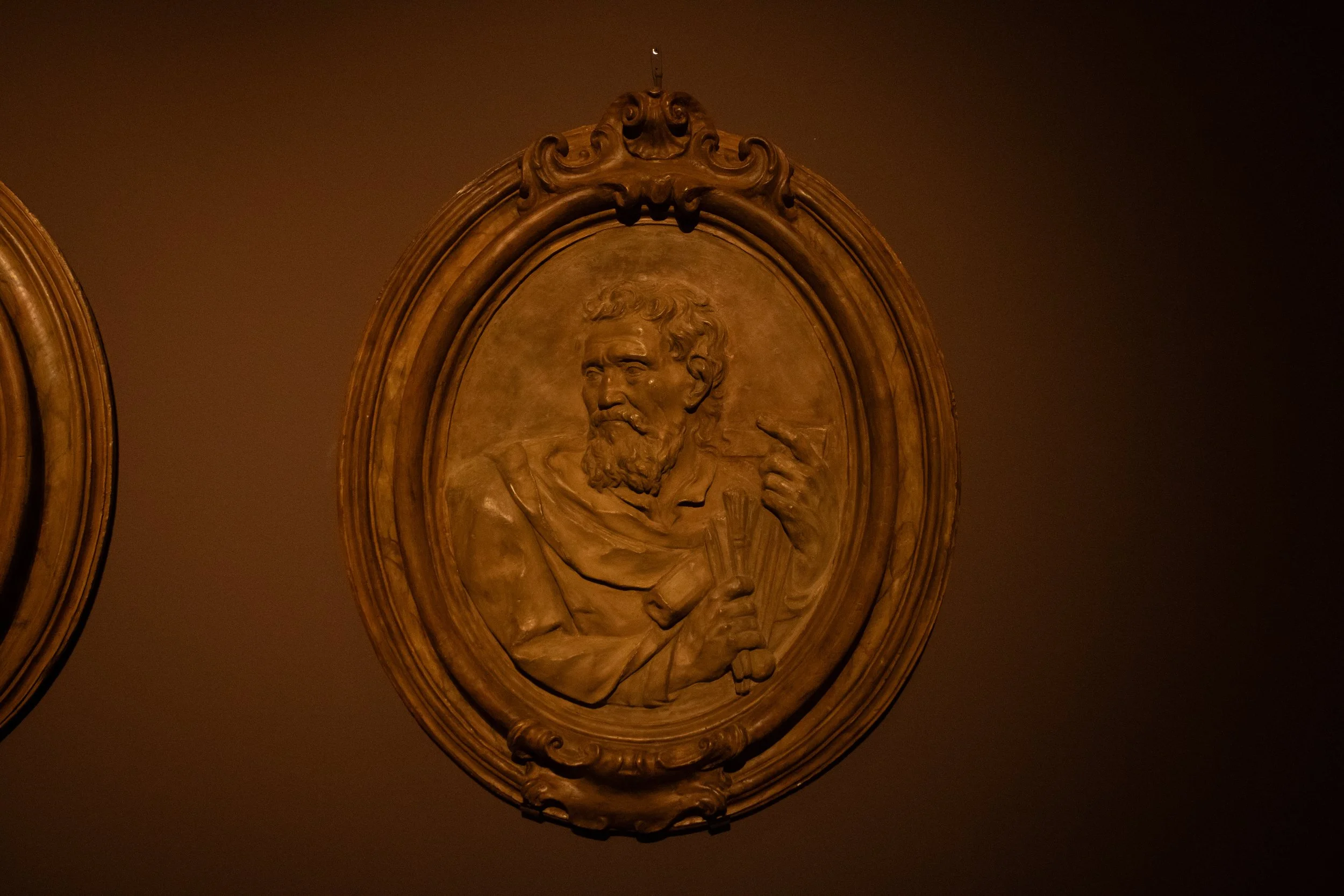
My trip to Italy with CAPA Study Abroad happened at a pivotal moment in my life. I had just returned home after spending three years deployed in the Middle East and had just started my first corporate job. Up until studying abroad, I looked at life through structure, rules, and completing tasks. Everything revolved around what needed to be done next, instead of appreciating the beauty all around me each day. Studying abroad reignited a sense of wonder and curiosity.
I still remember the moment I stepped off the airplane in Florence. My stomach was filled with butterflies and nervous excitement about the unknown. This was the first time I was doing something purely for myself, something I truly wanted to do, without being told to do it. The first thing I noticed when I landed was that I had no phone service, only the address of the apartment where I would be staying. Not having phone service in a foreign place felt like I was missing my right hand, and it was a little bit scary at the same time. I handed the address to a taxi driver and trusted that I would get where I needed to go. Looking back now, that disconnection was exactly what I needed, because it opened my eyes to the world around me in a deeper way.
Before we had even left the airport parking lot, I began noticing the details and beauty of Florence. Nothing could have prepared me for the level of awe of the days that followed. Within the first day, I realized I was beginning to look at the world differently. I slowed down. I started taking in every moment instead of rushing through it.
The walks to my CAPA classroom became just as meaningful and beautiful to me as visits to the breathtaking cathedrals and museums like the Uffizi Gallery. I remember absorbing the colors and smells of the city, the way the cobblestone streets felt under my feet, and how the light filtered through the buildings. The word “Bellissimo” which translates in English to beautiful began being the most used word by my inner narrator. I instinctively began taking pictures; not of the most famous landmarks or recognizable views, but of moments that reflected how I felt. Something shifted inside me. Photography stopped being about documentation or presentation and became an art form itself as a way to understand and remember my experience. I wanted to capture the feelings in that moment so I would never forget.
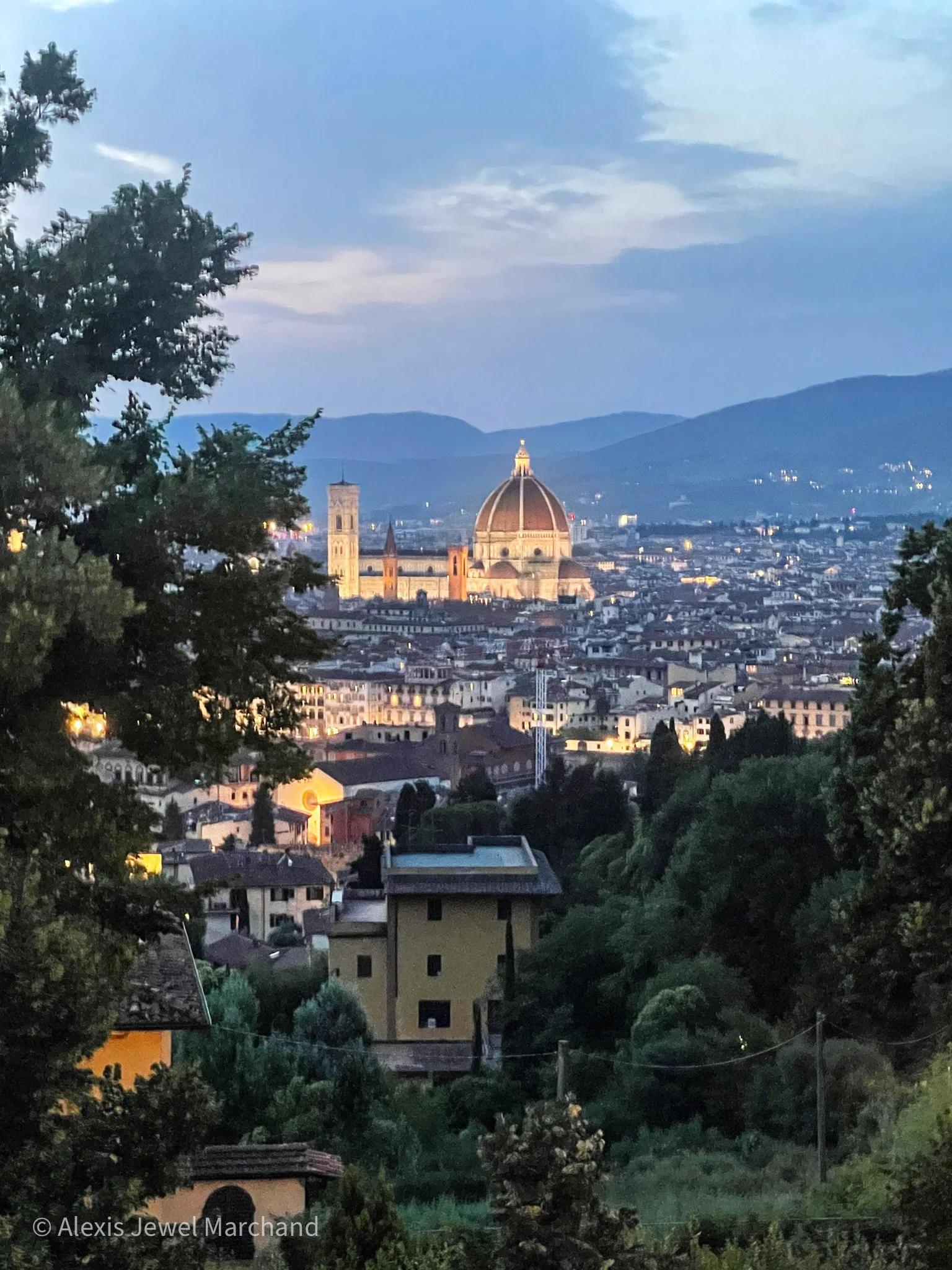
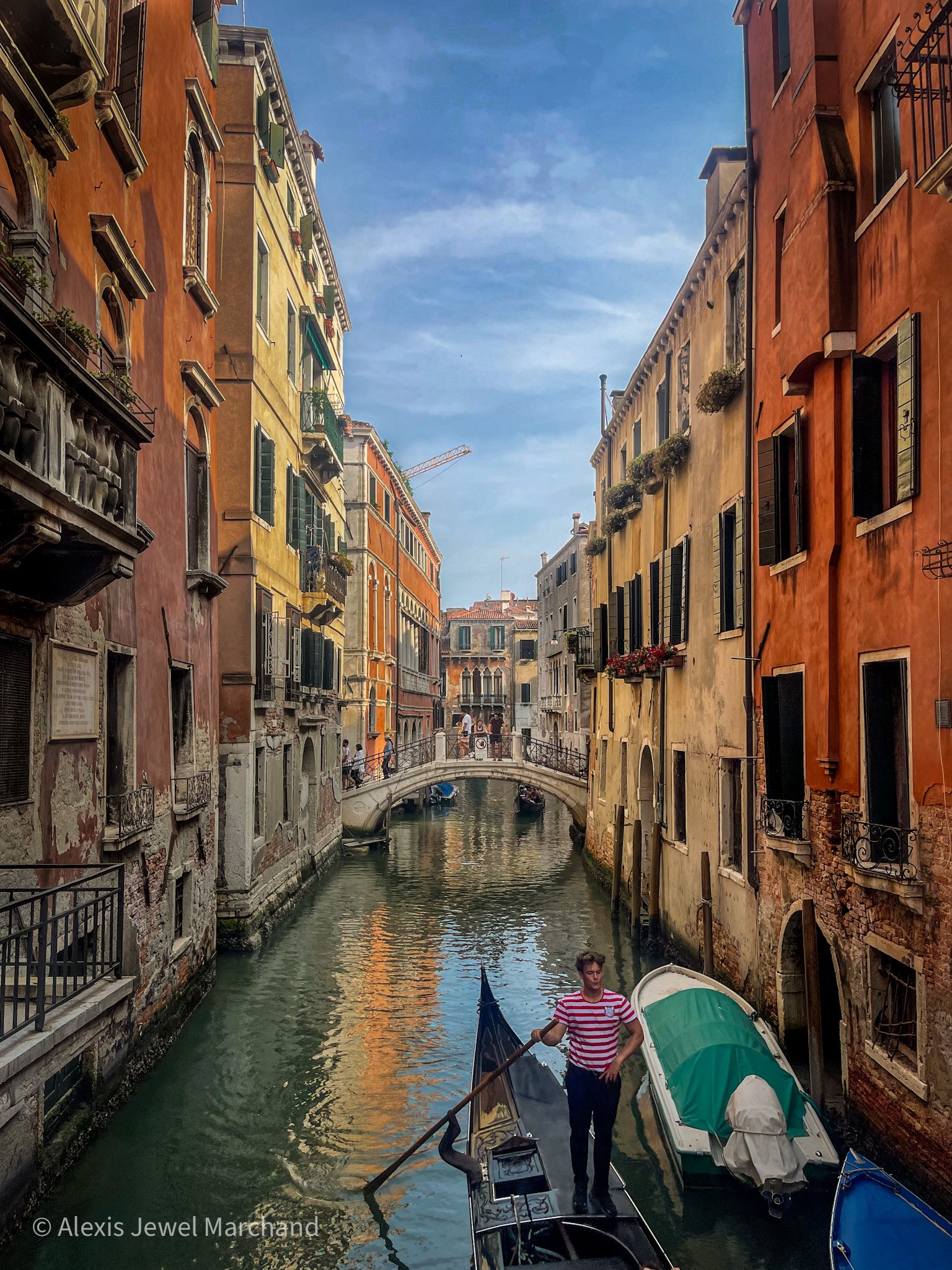
Some of my most favorite moments were the quiet ones. I would wake up an hour early before class and go on solo morning walks while the city was still asleep. I’d stop for a café latte and a croissant and wander through the streets in the cool morning air. The slight overcast, the breeze, and the stillness made everything feel dreamlike and magical. Those mornings inspired me to pull out my notebook and write freely journaling thoughts, observations, and poetry without an audience in mind. This was something I hadn’t felt inspired to do in years.
Being surrounded by the art of the great Renaissance thinkers and creators deeply influenced me. Witnessing works by Michelangelo and Leonardo da Vinci made me reflect on how enduring their creations have been. Some things are so intentionally made that they continue to inspire centuries later. That realization prompted me to think about how much of modern life prioritizes speed, convenience, and quantity over care and intention.
One of the most grounding experiences during my time abroad was learning how to make pasta by hand. Cooking became more than nourishment, it became a form of art itself. It made the term “made with love” really make sense and showed me that passion can shine through ordinary tasks. Starting from the most basic ingredients, slowing down, and working with my hands reminded me that patience and presence shape the outcome. Making homemade pasta showed me that intention creates something far more meaningful than what is fast or convenient.
Italy inspired me to strive toward living like a Renaissance man; curious, interdisciplinary, and deeply engaged with the world. I found myself drawn to philosophy, art history, cooking, writing, photography, and reflection. Learning no longer felt compartmentalized; it felt connected. Creativity was no longer separate from daily life; it was woven into it.
This mindset didn’t just influence me personally; it reshaped how I approach my academic and professional life. Creativity strengthened my ability to observe, reflect, and communicate. Writing sharpened my clarity of thought, photography trained my attention to detail, and journaling encouraged self-awareness. These practices became skills I carry forward. Skills that support adaptability, problem-solving, and intentional decision-making.
In a time dominated by constant stimulation and instant gratification, studying abroad taught me the value of slowing down. To live life the “dolce vita” way. The moments that leave lasting impressions are rarely the fastest ones. Years from now, it won’t be endless reels, fast food, or mindless television that I remember, it will be the quiet mornings, the handwritten journal pages, the meals made from scratch, and the feeling of being fully present.
Studying abroad didn’t just change where I had been; it changed how I want to live. It reminded me to never lose curiosity, creativity is how we leave our mark on this earth, and learning is a lifelong practice. As I move forward, I carry those lessons with me. The weight of a notebook in my bag, the patience of kneading dough, and the habit of noticing light on stone. To choose everyday, to live and learn with intention.